distribution is the product
we obsess over what gets built. but the real product is always how it spreads.
builders think the product is what they make. features, interfaces, technology. they spend years perfecting the thing.
then they discover no one uses it.
the real product was never the thing. the real product is the distribution.
the distribution blind spot
most builders have a blind spot. they believe quality creates adoption. build something good enough, and people will find it.
this almost never happens.
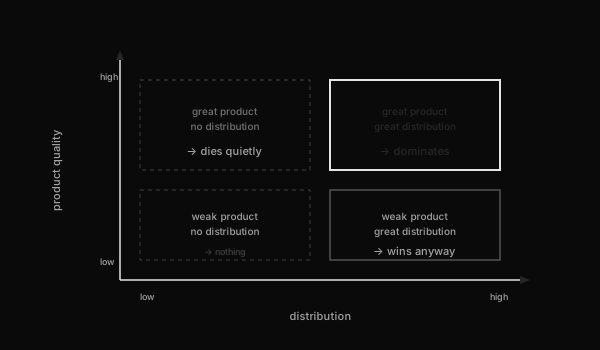
distribution is separate from product. you can have exceptional product with no distribution. you can have mediocre product with exceptional distribution. the latter wins almost every time.
what distribution actually means
distribution isn't marketing. it's not ads or pr or growth hacking. those are tactics.
distribution is the structural advantage that makes attention flow to you rather than competitors.
examples of distribution advantages:
- network effects (more users = more value = more users)
- embedded workflows (hard to switch away)
- viral mechanics (usage creates awareness)
- platform dependencies (you're where the attention already is)
these are product decisions, not marketing decisions. distribution has to be built in.
the aggregator lesson
look at what won the last decade. aggregators. google. facebook. amazon. airbnb. uber.
none of them made the underlying product. they didn't create websites, or social content, or products, or homes, or cars. they built distribution. they became the interface between supply and demand.
the distribution layer extracted most of the value. the producers—the people who actually made things—got squeezed.
this is the lesson: whoever controls distribution controls economics.
crypto distribution
crypto projects are learning this. early crypto assumed: "build good tech, adoption will follow." it didn't.
the projects that win have distribution built in:
- token incentives that reward spreading
- narratives that make people want to talk
- integrations that put them in existing flows
- communities that function as distribution networks
technical superiority matters less than distribution infrastructure.
implications
if distribution is the product:
- build distribution before building features
- every product decision should ask "how does this spread?"
- being in existing attention flows beats building new ones
- communities are distribution infrastructure, not marketing afterthoughts
the obsession with building the thing is misplaced. the thing is just content for the distribution system.
the system is the product.