solana as a culture machine
solana's moat isn't technical. it's cultural. the chain has become a culture machine.
every blockchain has technology. only a few have culture. solana is interesting not because of its consensus mechanism or throughput—it's interesting because it's become a culture machine.
the technical layer is table stakes
most blockchain projects optimize for metrics:
- transactions per second
- finality time
- decentralization ratio
- security guarantees
these matter. but they're table stakes. every serious chain eventually reaches acceptable performance. the technical gap narrows over time.
what doesn't converge is culture.
what makes a culture machine
solana has developed something rare: the ability to generate and sustain cultural energy. this isn't marketing. it's not even community management. it's a system property.
components of the solana culture machine:
the underdog narrative. solana went through existential crises—network outages, ftx collapse, extreme skepticism. rather than killing the ecosystem, this created a filter. the people who stayed were true believers. underdogs with something to prove.
builder identity. there's a specific type of person who builds on solana: pragmatic, slightly contrarian, obsessed with shipping. "good enough and shipped" beats "perfect and delayed." this identity became self-reinforcing.
cultural artifacts. mad lads. bonk. tensor. jupiter. these aren't just products—they're cultural objects. totems that embody the ecosystem's values. owning them is identity signaling.
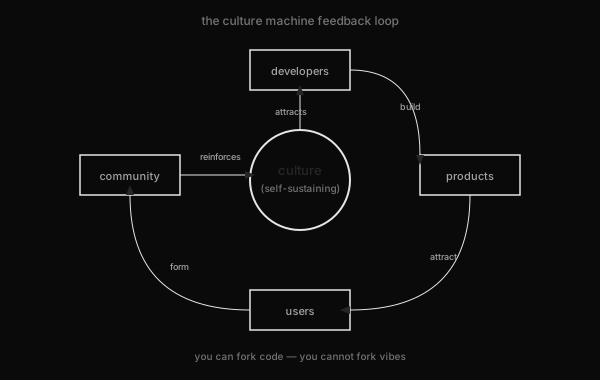
feedback loops. culture attracts developers. developers build products. products attract users. users participate in culture. the loop compounds.
culture as moat
in a world where every chain can eventually match technical capabilities, culture becomes the defensible moat.
you can fork code. you can't fork vibes.
ethereum has culture. bitcoin has culture. solana has culture. most other chains don't. they have technology and roadmaps and tokenomics. but they don't have the self-sustaining cultural energy that makes people want to belong.
how it happened
solana's cultural edge wasn't planned. it emerged from constraints:
- being written off created solidarity among survivors
- lower costs attracted experimenters who couldn't afford ethereum
- speed enabled new interaction patterns that felt different
- the foundation invested in community over marketing
the result: a culture that generates its own momentum.
implications
if you're building in crypto:
- culture is infrastructure, not decoration
- you can't manufacture authenticity but you can create conditions for it
- underdogs often build better cultures than frontrunners
- cultural artifacts matter—create totems, not just products
solana isn't winning because it's faster. it's winning because it built a machine that generates culture. that's much harder to replicate.