the nietzschean penguin
when a penguin starts quoting nietzsche, something interesting happens to the boundary between irony and sincerity.
a penguin appeared on the timeline. it was quoting nietzsche. and for reasons that are hard to articulate, it worked.
this isn't supposed to work. a cartoon penguin delivering aphorisms about the will to power should be cringe. it should collapse under the weight of its own pretension. but it didn't.
understanding why is understanding something important about how meaning works now.
the absurdist permission structure
when a human quotes nietzsche on the internet, they're making a claim. they're saying: "i am the kind of person who reads and understands nietzsche." this opens them to attack. are they really? do they actually understand it? are they just posturing?
a penguin has no such vulnerability. it's absurd from the start. the penguin isn't claiming anything about itself. it can't be accused of pretension because the entire frame is already ridiculous.
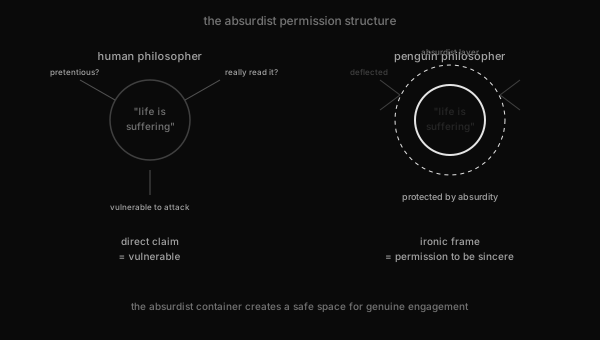
this is the absurdist permission structure: irony creates a safe space for sincerity.
the double layer
here's what's happening:
layer 1 (surface): haha, a penguin is saying profound things, that's funny
layer 2 (actual): wait, what the penguin is saying is actually resonating with me
the penguin gives you permission to engage with ideas you might otherwise dismiss. the ironic frame makes sincere engagement feel safe.
this is why the best shitposting accounts often deliver real insight. the joke format is a trojan horse for genuine thought.
why now
something shifted. a few years ago, this would have been cringe. "penguin philosopher" would have been mocked and forgotten.
but the vibe changed. we're in a post-sincerity moment where the ironic-sincere distinction collapsed. people are tired of pure irony but embarrassed by pure sincerity. the hybrid form—sincerity wrapped in absurdism—hits the sweet spot.
the penguin threads the needle.
the ai question
there's another layer here. the penguin feels ai-generated. the aesthetic, the consistency, the slightly uncanny delivery. whether it actually is doesn't matter. it feels like it could be.
and this creates a third permission layer: if it's ai-generated, then engaging with it seriously isn't parasocial. you're not idolizing a person. you're engaging with a process, a vibe, a character.
ai-generated or ai-coded content has a different social status. it's safer to take seriously precisely because it might not be "real."
implications
the nietzschean penguin is a template:
- absurd container (permission to engage)
- serious content (value delivery)
- ai aesthetics (parasocial distance)
expect more of this. the best content in the next few years will wear ironic costumes while saying sincere things. the mask becomes the message.
the penguin understood something we're all still figuring out.