ticker as identity
your bags became your personality. how token symbols turned into identity markers.
something shifted in how people present themselves online. the token ticker moved from portfolio to bio. from investment to identity.
you're not someone who holds doge. you're a doge person. the ticker isn't describing your assets. it's describing you.
the identity stack
traditionally, online identity was built from:
- profession
- interests
- location
- beliefs
now there's a new layer: portfolio identity. what you hold signals who you are.
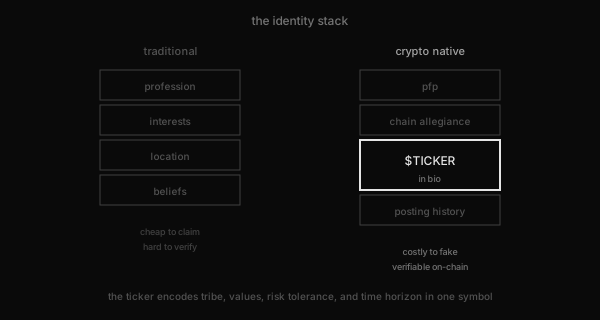
this isn't just signaling wealth. it's signaling tribe. values. aesthetic preferences. risk tolerance. time horizon. sense of humor.
a single ticker encodes all of this.
why tickers work as identity
tickers are efficient identity markers because they're:
costly — you had to put money in, which filters for commitment
public — holdings can be verified on-chain
tribal — each token has a community with shared references
dynamic — your identity updates as you trade
composable — you can hold multiple tickers, creating identity blends
compare this to traditional identity markers like "i'm a democrat" or "i like hiking." those are cheap to claim. tickers have skin in the game.
the community-identity loop
there's a feedback loop:
- you buy a token because you like the community
- holding the token makes you part of the community
- being part of the community shapes your identity
- your identity attracts you to similar tokens
- repeat
over time, your portfolio isn't reflecting your identity—it's constructing it.
ticker tribalism
the dark side is tribalism. ticker identity creates in-groups and out-groups.
- doge vs shib
- btc maxis vs eth people
- solana vs ethereum
- old coins vs new memes
these aren't just investment disagreements. they're identity conflicts. attacking someone's bags is attacking their sense of self.
this is why crypto twitter is so vicious. it's not about money. it's about identity.
the anon advantage
anon accounts understood this early. when you strip away name, face, and credentials, the ticker becomes your primary identity marker.
an anon with a punk pfp and eth in their name has communicated:
- their tribe (ethereum culture)
- their aesthetic (punk/crypto art)
- their time horizon (been here since nfts)
- their probable net worth (punks aren't cheap)
all without revealing anything "real."
implications
if ticker is identity:
- token communities are identity communities first, investment vehicles second
- selling is identity betrayal, not just profit-taking
- bear markets are identity crises
- portfolio construction is self-construction
we used to say "don't make your investments your identity." that advice is obsolete. for a generation, investment and identity are the same thing.
the ticker isn't in your bio by accident. it's the most honest thing there.