virality is not randomness
viral content follows predictable patterns. we just haven't learned to see them yet.
people talk about virality like it's lightning. unpredictable. lucky. a phenomenon that happens to you rather than something you create.
this is wrong.
virality is not random. it follows patterns. the problem is we're looking at the wrong variables.
the lottery fallacy
when we see a viral piece of content, we ask: "what made this one special?" we analyze the content itself—the joke, the image, the timing of the tweet. we look for the magic ingredient.
but this is like studying lottery winners to understand probability. you're looking at survivors, not the system.
the better question is: what network conditions allow content to spread?
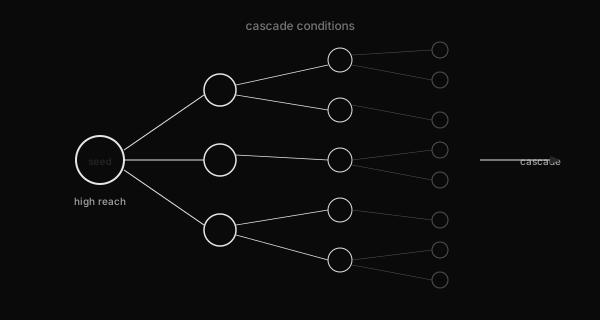
network structure beats content quality
content doesn't spread because it's good. it spreads because it reaches nodes with high connectivity at the right moment.
consider two identical pieces of content. same quality. same format. same timing. one goes viral, one dies.
the difference is almost always the initial distribution. who saw it first? how connected were they? did it hit a cluster that was primed to share?
the network does most of the work.
the cascade conditions
for virality to occur, you need:
- seed nodes with reach — the first few people who see it must have audiences
- format recognition — the content must be instantly parseable
- emotional trigger — something that compels immediate action
- low friction sharing — one click, no explanation needed
- timing alignment — the network must be receptive
miss any one of these and the cascade fails. it doesn't matter how good the content is.
manufactured virality
once you understand this, "organic" virality looks different. most viral content isn't accidental. it's seeded carefully, into networks that have been cultivated over time.
the influencer ecosystem exists because people have learned to manufacture the conditions for spread. they control the seed nodes. they understand format recognition. they've built the infrastructure.
what looks like lightning is actually engineering.
implications
if virality is systematic rather than random:
- you can study it like any other distribution problem
- luck matters less than network position
- the platforms that control network structure control virality itself
- authentic virality and manufactured virality are increasingly indistinguishable
we should stop treating viral content as mysterious and start treating it as logistics.